Accademia di Medicina di Torino.
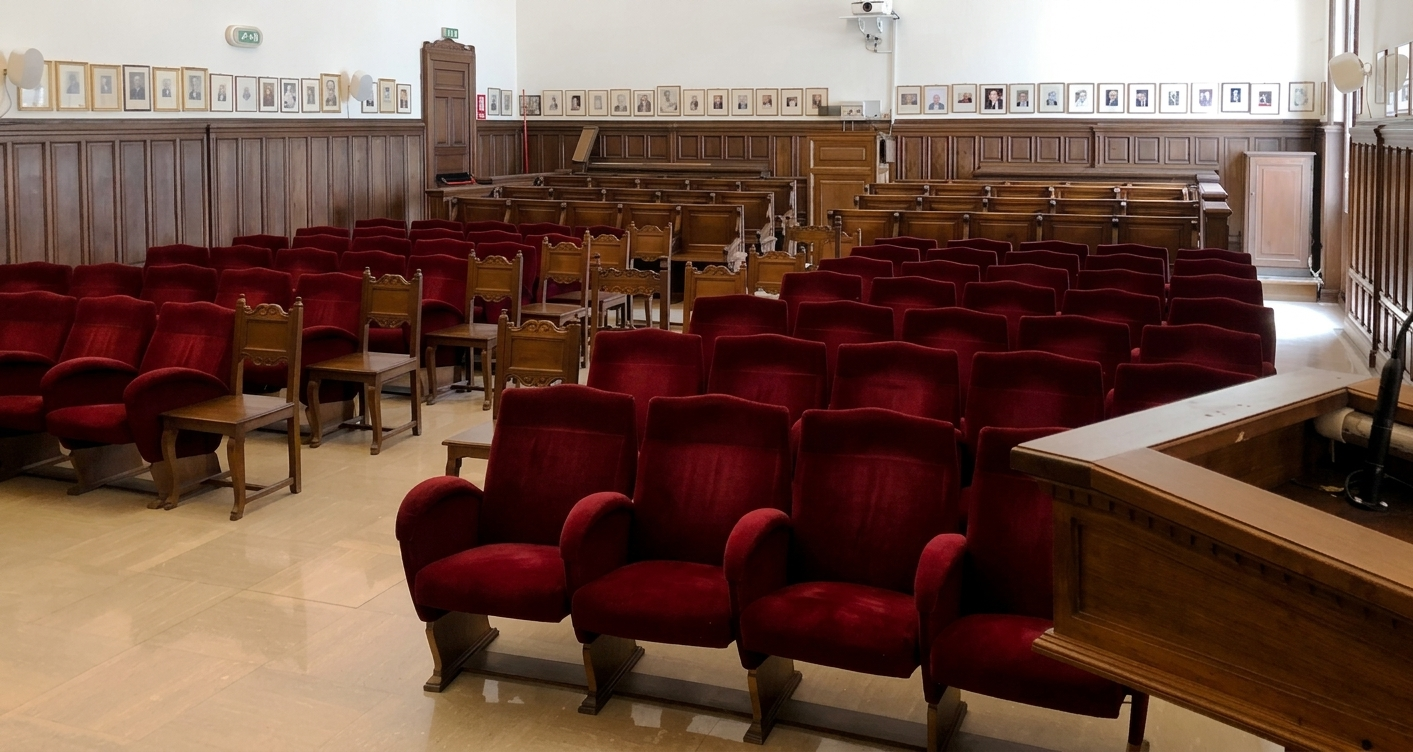
A historic medical academy affiliated with the University of Turin, with roots in the city's 18th-century medical-surgical society. Its grand reading hall and seat for scientific sessions make a fitting home for IAMRegen's 5th congress.
One day. 12 February 2027.
5th Annual MSK Regen Congress · Friday · Accademia di Medicina, Torino · provisional, subject to confirmation
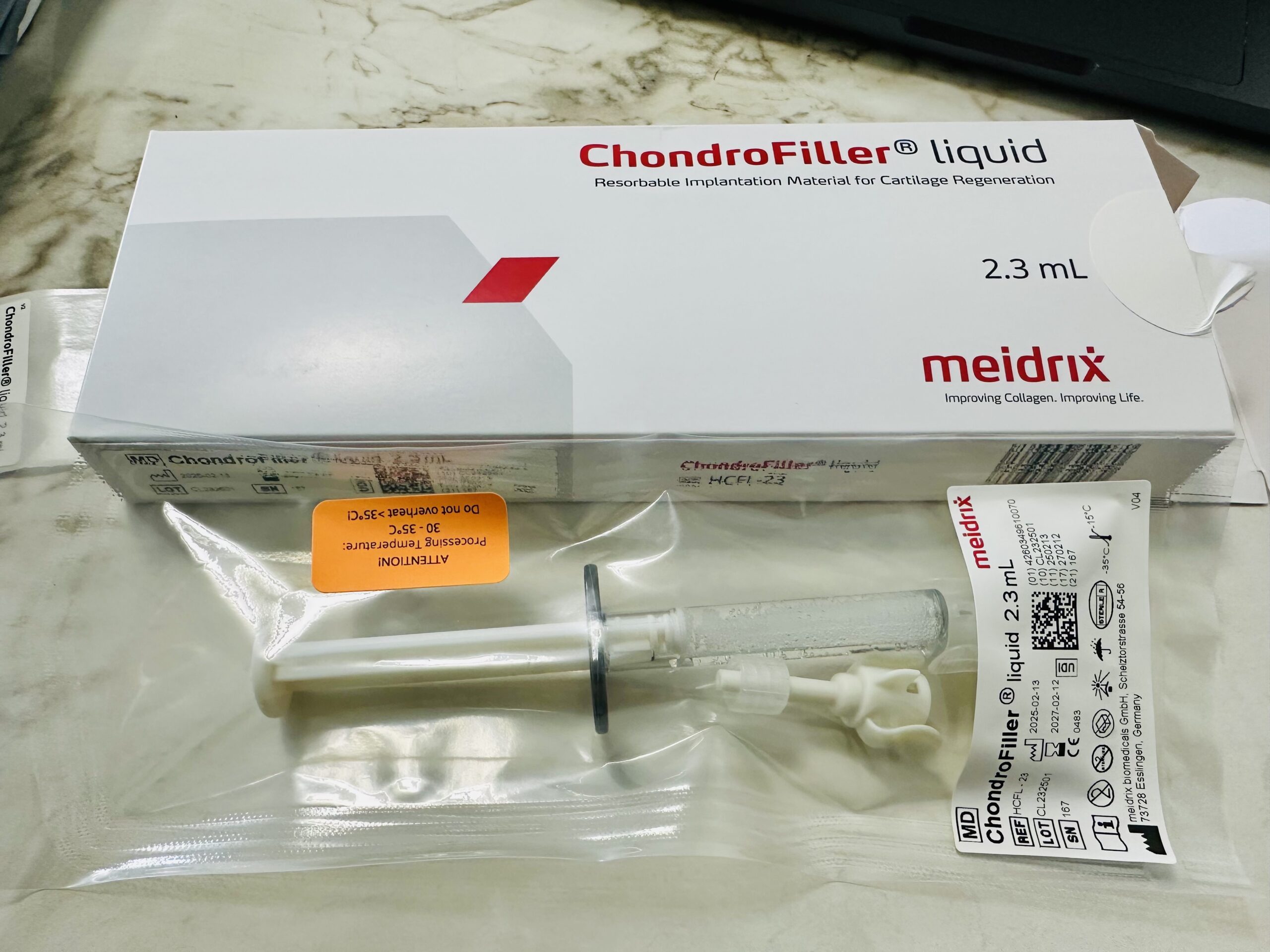 Workshop 1 — Chondrofiller Injection Masterclass — Prof. Paul Lee
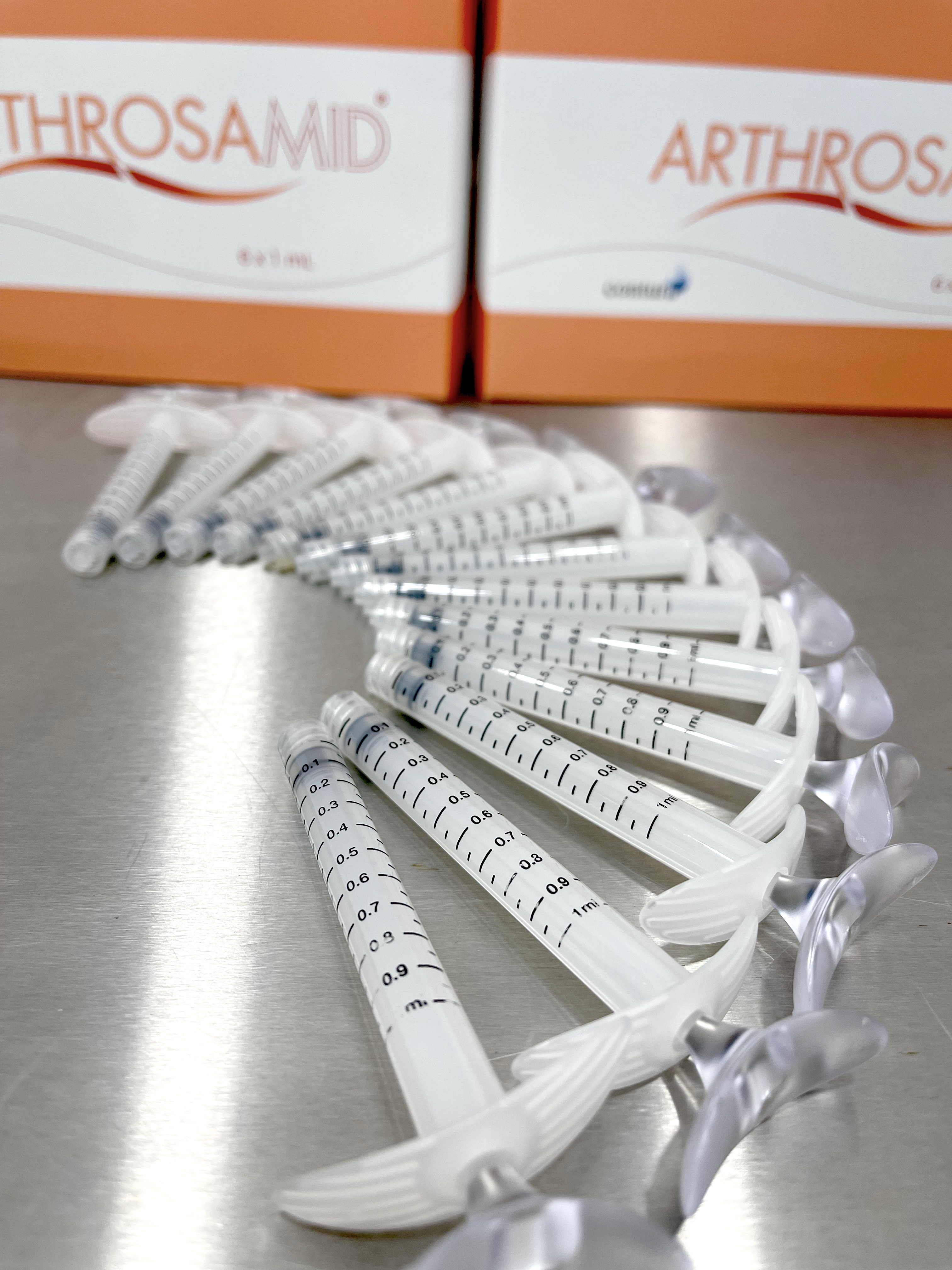 Workshop 2 — Arthrosamid Injection Masterclass — Dr. Özgür Oktay Nar

Speakers and sessions marked TBC are being confirmed. Masterclasses are optional €150 add-ons for members & Fellows. The Membership & Fellows Ceremony and Poster Prize close the day.
Art Exhibition.
An interdisciplinary exhibition bringing stem cell science and art into the same field of inquiry, moving regeneration beyond tissue repair and reconsidering it through cellular identity, beginnings, labour and existence.
Gülperi Öktem
Curator of RE-GENERATION · Disembodied Beginnings, the exhibition accompanying the 5th IAMRegen Congress.
Selin Öktem
London-based artist, born in Izmir, Turkey (2000). MA (Hons) and BA (Hons) in Architecture, Architectural Association, London.
Show more ↓Show less ↑
Selected exhibitions: La Biennale di Venezia 2026 · Contemporary Istanbul Bloom 2026 · Summart Gallery group show 2026 · XXIII Chilean Biennial 2025 · Gaza Biennial London 2025 · Candid Arts Trust, London 2024 · “Creatures of Labruge” with Gorvell, Portugal 2024 · “Fantoma 2.0” with RESOLVE Collective, London 2023.
Residency at Gorvell, Labruge, Porto (2024). Designer and maker at Yes Make; formerly Architectural Association audiovisual technician and teaching assistant.
Every act of repair carries labor within it, and sooner or later, that labor takes form again in another life.
When a bone fractures, an ancient language begins to operate within the body once again. Cells immediately recognize the injury, respond to the right signal at the right time, proliferate, transform, and reweave their surroundings. In orthopedic practice, regeneration most readily evokes the restored integrity of bone, cartilage, or muscle. Yet beneath this restored wholeness, another form of labor continues, largely unnoticed. Inflammation at the fracture site subsides at the appropriate time, stem cells enter the process at precisely the right moment, the vascular network is rebuilt, and communication between cells continues without interruption. When any one of these processes falters, healing falters as well. As modern medicine has gradually demonstrated, regeneration does not occur merely through the addition of something new to a damaged area. Its foundation also lies in creating the appropriate biological environment in which tissue can rebuild itself.
The exhibition Disembodied Beginnings arises from this conceptual ground. Bringing stem cell science and art into the same field of inquiry, this interdisciplinary project moves the concept of regeneration beyond the boundaries of tissue repair and reconsiders it through cellular identity, beginnings, labor, and existence.
Read the full curatorial text →
This expanded perspective turns toward the point at which a cell reorganizes its own biological memory. The possibility of reprogramming a fully differentiated cell that has already acquired a specific function demonstrates that cellular identity is not absolutely fixed. An ordinary cell obtained from the skin can be returned to a pluripotent state through the reorganization of its molecular program and can acquire the capacity to differentiate into numerous cell lineages. This transformation does not erase the cell's past entirely, but it reopens the paths the cell may follow in the future. From the perspective of orthopedic regeneration, this knowledge enables the development of patient-specific cellular models, the more detailed investigation of disease mechanisms, and the exploration of personalized therapeutic approaches.
The exhibition carries the same scientific knowledge toward the earliest processes of life's organization and turns its attention to the placenta. The emergence of placental models from three-dimensional organoids developed in the laboratory makes certain cellular events of early development observable. The placenta is a complex organ shaped jointly by fetal tissues, the maternal organism, blood vessels, immune cells, and continuously changing biological conditions. These models also make visible a fundamental principle of regenerative medicine. The presence of cells within the same environment is not sufficient for a tissue to form. The signals directing the cells, the microenvironment, neighboring cells, and timing must be coordinated. This principle, which governs the regeneration of bone, cartilage, and tendon, is equally important in the early development of the placenta.
The placenta is a transient organ that establishes the first microenvironment of human life and separates from the body once its task is complete. It mediates the exchange of gases and nutrients, contributes to the removal of metabolic waste, produces hormones, regulates immune balance, and helps the vascular system adapt to the changing demands of pregnancy. Together, these functions reveal a quiet effort sustained without interruption throughout gestation and requiring a remarkably high degree of coordination.
The name of this quiet effort is labor.
Here, the word labor is not used as a physiological term. It encompasses all the processes that operate continuously, make life possible, and often recede from view once their outcome has emerged.
The placenta supports the growth of a new life and leaves the outcome of its work within that life. Its task is completed at birth. An organ that was indispensable to sustaining life only minutes earlier leaves the clinical field once its function has ended and is often left behind without notice. The physician merely checks that it is intact, while neither the mother nor the father is likely to think of the placenta. The labor itself becomes invisible, while what it has brought forth continues to live.
The connection established here between the placenta and medical practice arises from the way labor becomes invisible within its outcome. Medical training requires years of study, repetition, discipline, and a personal life that is often deferred. A clinical decision, in turn, compresses years of accumulated knowledge and experience into a matter of minutes. From the outside, what is seen is a prescription, an assessment, or a surgical procedure. The education that made the decision possible, the experience gained from previous patients, the lessons drawn from mistakes, the night shifts, the prolonged follow-up, and the weight of responsibility usually remain unseen.
In orthopedics, outcomes often appear in measurable form. A fracture unites, movement is restored, pain subsides, a deformity is corrected, and the patient returns to everyday life. Even so, it is difficult to draw precise boundaries between the contribution of surgical technique, biological healing, rehabilitation, the patient's perseverance, and time. The physician's labor is likewise dispersed within the final outcome. When the process unfolds as expected, it is regarded as ordinary; when it falters, that labor becomes visible in all its weight.
This condition raises a fundamental question about the endurance of labor. Must labor be continually remembered in order to persist, or is the trace it leaves in another person's life sufficient?
The placenta does not preserve its own existence. After birth, even the mother rarely thinks of it. The body whose growth it supported, however, continues to live. The physician's labor is likewise seldom recorded in any one person's name. It persists quietly in the patient's restored ability to walk, relief from pain, and capacity to maintain independence. The endurance of labor therefore becomes associated less with the visibility of the person who performed it than with the change it produced in another life.
Some forms of labor leave no object behind. They endure by becoming another life's capacity to continue.
Regenerative medicine seeks to alter the future function of tissue. Medical practice similarly endeavors to restore what a patient will be able to do, the load the patient will be able to bear, and the independence the patient will be able to preserve. A substantial part of this effort becomes invisible over time. Knowledge is updated, techniques change, and an approach considered advanced today becomes routine tomorrow. If the experience accumulated by a physician over many years is not passed on to subsequent generations, it disappears with that physician. For labor to find expression in the future, recognition alone is therefore insufficient. It must be transformed into knowledge, education, institutional memory, and an ethical culture of practice.
At this point, the transience of the placenta offers a different measure of value. The worth of a structure may be understood less by how long it preserves its own existence than by the conditions it makes possible during the time it is present. The endurance of medical labor likewise remains incompletely understood when sought only in names, titles, or records. It continues to live in transmitted knowledge, in the function a patient has regained, and in the next physician's capacity to make a more informed decision.
Disembodied Beginnings proposes that regeneration be reconsidered through these relationships. The scientific trajectory extending from cellular reprogramming to the placental model demonstrates that cellular identity and future biological possibilities can be reorganized under specific conditions. The placenta, in turn, reminds us that no form of becoming occurs in isolation and that the labor that makes life possible may continue in other forms even after it has disappeared from view.
The exhibition carries its conceptual trajectory from repair to formation, from formation to labor, and from labor to transience and existence. A question that begins in science gradually acquires professional and existential dimensions. When the visible outcome has receded, the knowledge acquired over many years and the labor devoted to a patient's well-being are transformed into shared experience, institutional memory, and another life's capacity to continue.
Just as a cell may assume another identity, a tissue may reorganize itself, and a patient may regain movement, labor too can endure by changing form.
RE-GENERATION moves beyond tissue renewal to become a way in which knowledge, relationship, and responsibility continue to exist within another life.
Piemonte Wine Tasting & Networking.
A taste of Torino to close the scientific day: Piedmontese wines poured by two of the region's producers, and time to talk with the IAMRegen community before the Members & Fellows Welcome and Charity Dinner.
Marchesi di Barolo
Historic Barolo house in the heart of the Langhe.
Alta Langa Traversa 1816
Traditional-method sparkling wines from the Alta Langa hills.
Where to stay.
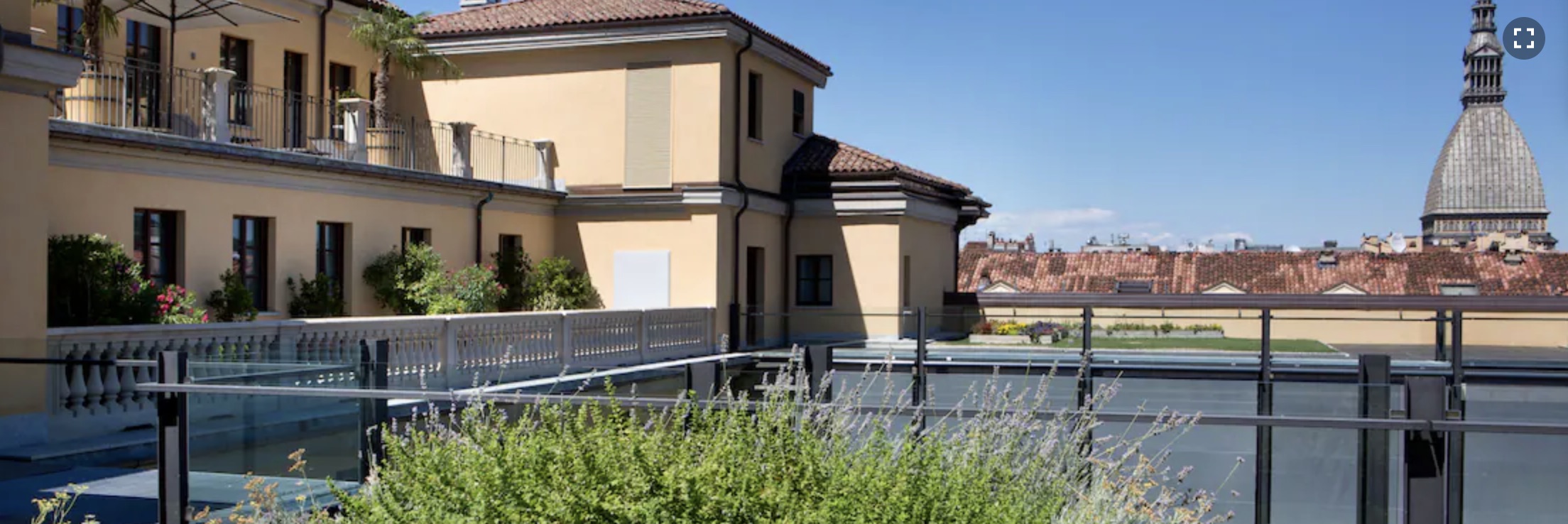

Welcome to Torino 2027.
Dear Friend and Colleague,
It is a great pleasure to learn that you have registered for the 5th IAMRegen International Congress, which will take place at the Accademia di Medicina in Torino on Friday, 12 February 2027.
In an age when so much of what we write is assisted by artificial intelligence, this message began simply as a few personal words from me to you.
I sincerely hope that the Congress will be both a rewarding scientific experience and an enjoyable occasion. I also hope that you will return home carrying with you—not only the charm of Torino and the flavours and aromas of Piedmontese wines—but also a renewed awareness that you are part of an international community united by a common purpose: to advance science and clinical expertise in the rapidly growing field of musculoskeletal regeneration.
I very much look forward to welcoming you personally in Torino.
With warmest regards,

5th IAMRegen International Congress
Register for Torino 2027.
Members and Fellows attend free — join and register to attend. Not a member yet? Attend a single day in person as a non-member at €500.
Masterclasses are booked separately as add-ons and are offered first to members. Certificates read "completed IAMRegen hands-on training in [technique]" — training, not competency sign-off.
Smoke free. Paper free.
The Torino Congress is smoke free, paper free and environment friendly, and cares for sustainability.